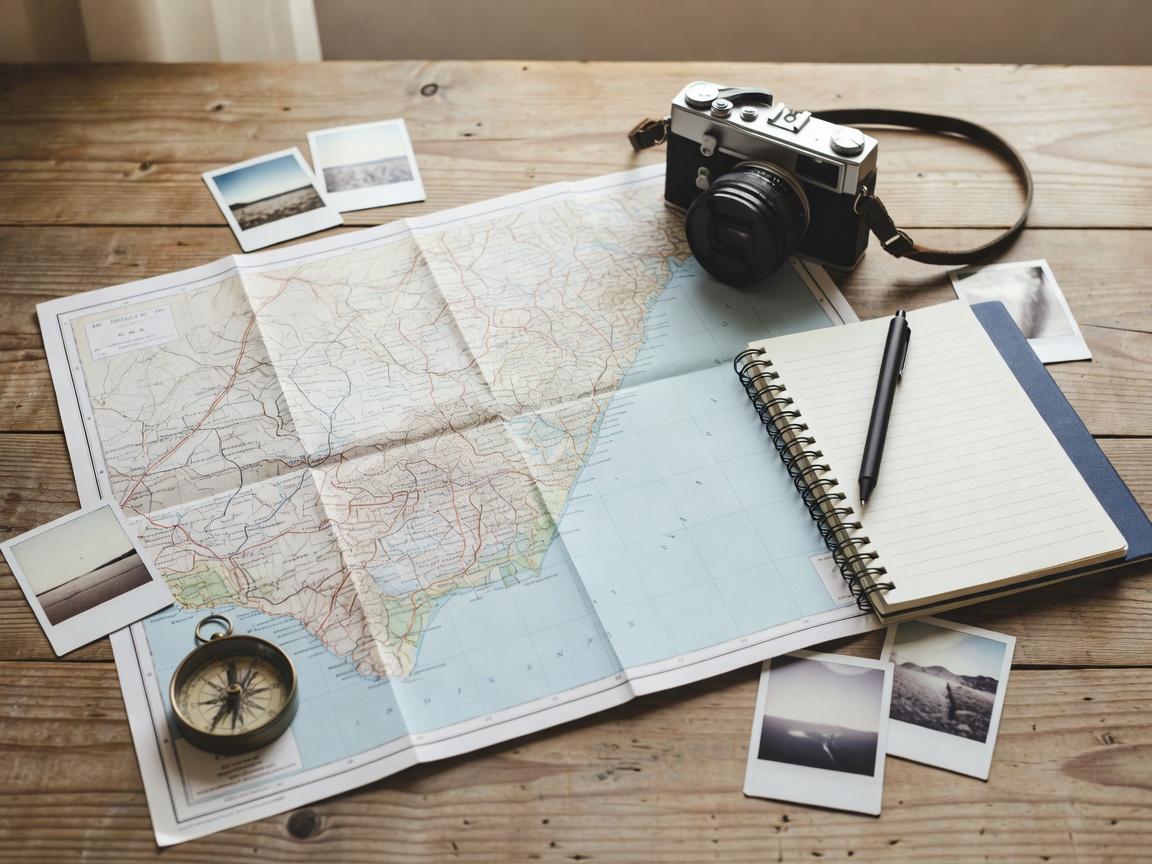
1. Planning an affordable itinerary
Budget travel starts with a realistic daily number. Add up four core categories — accommodation, food, local transport and attractions — then add a buffer of around 10–15% for the unexpected. Our destination pages break down estimated daily costs in exactly this way so you can compare like with like.
- Fewer bases, longer stays. Every move costs money and time. Two bases for a week usually beat four.
- Balance paid and free days. Pair a ticketed museum morning with a free afternoon of parks, markets or viewpoints.
- Plan geographically. Group sights by neighbourhood to cut transport costs and wasted hours.
- Separate fixed and flexible costs. Flights and beds are fixed once booked; food and activities can flex day by day.
| Category | What to include | Typical saving lever |
|---|---|---|
| Accommodation | Nightly rate, taxes, cleaning or resort fees | Location just outside the centre, shoulder season |
| Food | Breakfast, lunch, dinner, snacks, drinks | Set lunches, markets, self-catering breakfasts |
| Local transport | Transit, airport transfers, day trips | Transit cards, day passes, public intercity transport |
| Attractions | Entry tickets, tours, experiences | Official tickets, free-entry periods, selective passes |
2. Researching and choosing destinations
Your destination choice is the single biggest factor in daily costs. A week in a lower-cost city can cost less than three nights somewhere expensive. Compare the estimated budgets in our directory, then check official tourism boards for events, closures and seasonal access.
- Read your own government’s travel advice for safety, health and entry information.
- Check whether major festivals or events coincide with your dates — they can multiply room rates.
- Consider “second cities” and regional bases, which often deliver similar experiences for less.
- Favour official tourism websites and operators over unverified aggregator content.
3. Choosing travel dates and seasons
Shoulder seasons — the weeks either side of peak demand — often combine pleasant weather with lower prices. Remember that seasons flip in the southern hemisphere: December is summer in Cape Town and winter in Kraków.
- Midweek departures and returns are frequently cheaper than weekends.
- School holidays in major source markets push up prices for flights and family rooms.
- Weather extremes (intense heat, monsoon or storm seasons) can lower prices but also affect plans — weigh the trade-off.
4. Flight planning

Flexible dates and airports can matter more than booking on a particular day of the week.
There is no guaranteed “cheapest day to book”. What reliably helps is flexibility: searching a range of dates, comparing nearby airports and calculating the full price including baggage and seat fees.
- Use flexible-date search tools, then book directly with the airline where practical for easier changes.
- Compare the total cost of low-cost carriers once checked bags, seats and airport transfers are included.
- Open-jaw tickets (into one city, out of another) can avoid costly backtracking.
- Read fare rules carefully: understand change fees, refund conditions and baggage allowances.
5. Finding affordable accommodation
Location determines both your nightly rate and your transport spend. A slightly cheaper room far from transit can cost more overall.
- Hostels now often offer private rooms — a good middle ground for couples and solo travellers.
- Guesthouses and family-run inns frequently include breakfast and local insight.
- Apartments make sense for longer stays or groups, especially with a kitchen — check cleaning fees.
- Tourist taxes are charged per person per night in many cities; factor them in.
- Read recent reviews from multiple sources and confirm cancellation policies before paying.
6. Saving on local transportation
Public transport is usually the best-value way to get around — and often the fastest. Many cities now accept contactless bank cards directly on transit.
- Compare single fares, stored-value cards and day passes against your planned journeys.
- Use official airport rail or bus links instead of taxis where available.
- Ride-hailing apps with up-front pricing can be fairer than unmetered taxis.
- Walk: compact historic centres are best explored on foot.
7. Eating well on a food budget

Food is where many travellers overspend without noticing. A few habits keep costs down while improving what you eat.
- Make lunch the main meal — set lunch menus are common across Europe and beyond.
- Walk a few streets away from major landmarks before choosing a restaurant.
- Markets, bakeries and street food offer local flavour at local prices.
- Check whether service charges or cover charges are added to the bill.
- Carry a refillable water bottle where tap water is safe to drink.
8. Exploring free attractions
Some of the most memorable travel moments cost nothing: sunrise viewpoints, public gardens, coastal walks, markets and neighbourhood wanders.
- Many museums offer free-entry days or hours — confirm on official websites, as policies change.
- Places of worship are often free to enter; dress respectfully and follow visitor guidance.
- Self-guided walking routes from tourism boards are a free alternative to paid tours.
- “Free” walking tours usually expect a tip — budget accordingly.
9. Understanding travel insurance
Travel insurance protects your budget from the expensive unexpected — medical treatment abroad, cancellations, delays and lost belongings. Some destinations require proof of cover for entry.
- Buy cover soon after booking so cancellation protection applies.
- Check medical limits, excesses, activity exclusions and pre-existing condition terms.
- Confirm whether your destination has a mandatory insurance requirement.
- Keep policy details and emergency numbers accessible offline.
Important: this is general information, not insurance or medical advice. Read the full policy wording and seek qualified advice where needed.
10. Avoiding common tourist expenses
| Expense | Why it costs more | Smarter alternative |
|---|---|---|
| Dynamic currency conversion | Poor exchange rates when paying in your home currency | Always choose to pay in the local currency |
| Airport currency exchange | Wide spreads and fees | Use a low-fee card or bank ATM |
| Ticket resellers | Markups over official prices | Book on official attraction websites |
| Unmetered taxis | Unclear or inflated fares | Official taxi ranks, transit or ride-hailing apps |
| Roaming charges | High per-megabyte costs | Local SIM, eSIM or roaming bundle |
| Landmark-side restaurants | Premium pricing for location | Eat a few streets away |
11. Packing efficiently
Travelling carry-on only can save baggage fees and speed up every transfer.
- Choose layers in a coordinated palette so items mix and match.
- Pack a refillable bottle, compact umbrella and universal adapter.
- Check airline size and weight limits — they vary between carriers.
- Keep medicines in original packaging with prescriptions where required.
12. Understanding local customs
Respecting local norms makes travel smoother and more rewarding. Learn a few phrases, understand tipping conventions and follow dress codes at religious sites.
- Research tipping norms — they differ widely between countries.
- Ask before photographing people, and respect signage in residential heritage areas.
- Learn basic greetings and “thank you” in the local language.
13. Preparing for international travel
Entry rules are changing in several regions. In Europe, the EU Entry/Exit System began a phased rollout in October 2025, and the ETIAS travel authorisation is planned for visa-exempt visitors. Other countries operate their own e-visa or authorisation systems.
- Check passport validity and blank-page requirements well before departure.
- Apply for visas or authorisations only through official government portals.
- Notify your bank of travel and carry a backup payment card.
- Save digital copies of key documents securely.
Useful official starting points: EU travel information (EES & ETIAS) and your own government’s foreign travel advice service.
Disclaimer: Nordwhim Curios provides general travel information, not legal, immigration, medical or professional travel advice. Always verify entry requirements, visa conditions, safety advisories and insurance coverage with official sources.